As colder weather approaches, energy security has once again emerged as a central talking point following new warnings from European operators regarding winter reserves. While annual alerts of potential shortages are commonplace, the convergence of geopolitical tensions, shifting trade routes, and domestic infrastructure challenges has kept the issue at the forefront of public discussion.
The Vulnerability of Reserves
Recent analyses by European transmission system operators have identified the United Kingdom as particularly susceptible to supply strains during prolonged cold spells. Because the nation relies heavily on interconnected European storage networks—where overall capacity levels heading into the winter months trail historical averages—any sudden surge in demand could force a greater reliance on liquefied natural gas imports from international markets. Such a shift carries potential implications for household energy bills, renewing anxieties among consumers already managing elevated living costs.
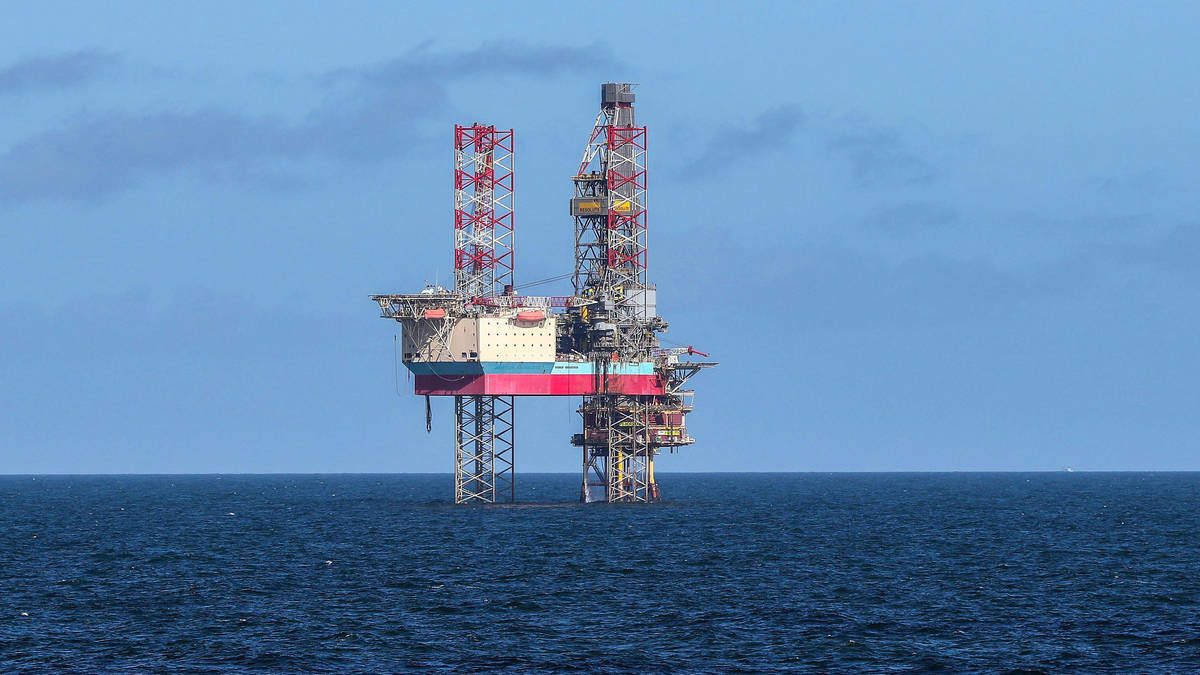
At the same time, discussions surrounding domestic production have intensified, with policymakers facing ongoing debates over the approval and development of North Sea fields like Jackdaw. Proponents argue that expanding domestic extraction could bolster supply reliability and reduce dependence on volatile global markets, while environmental advocates and long-term planners emphasize the necessity of accelerating renewable energy transitions to achieve lasting stability.
Public Skepticism and Industry Realities
Many observers have met the seasonal warnings with familiar skepticism, noting that similar forecasts appear with regularity as temperatures drop. This recurring cycle has fueled widespread cynicism regarding the motivations behind such announcements, with many questioning whether periodic alarms serve to prime consumers for anticipated price increases.
Every year we get this "warning" by the energy lobby. Every year of my life they warn this.
Others pointed to the broader mechanics of utility pricing and market structures, noting a disconnect between reported supply constraints and the financial performance of major energy providers.
They’re just spitting on it before forcing the ‘unexpected price increase’ upon us. Price ‘cap’ will also skyrocket to the point of asking “Do they know what a fucking cap is?!” And then come summer we’ll get to see them post record profits. Again. Like every year.
Looking Ahead
While the immediate risk of a total depletion of reserves remains a subject of ongoing debate among energy analysts and industry participants, the broader conversation highlights persistent structural vulnerabilities in how energy is stored, priced, and consumed. As governments and regulators weigh short-term import dependencies against long-term green infrastructure goals, households continue to navigate an unpredictable economic landscape where winter weather carries both physical and financial chill.

