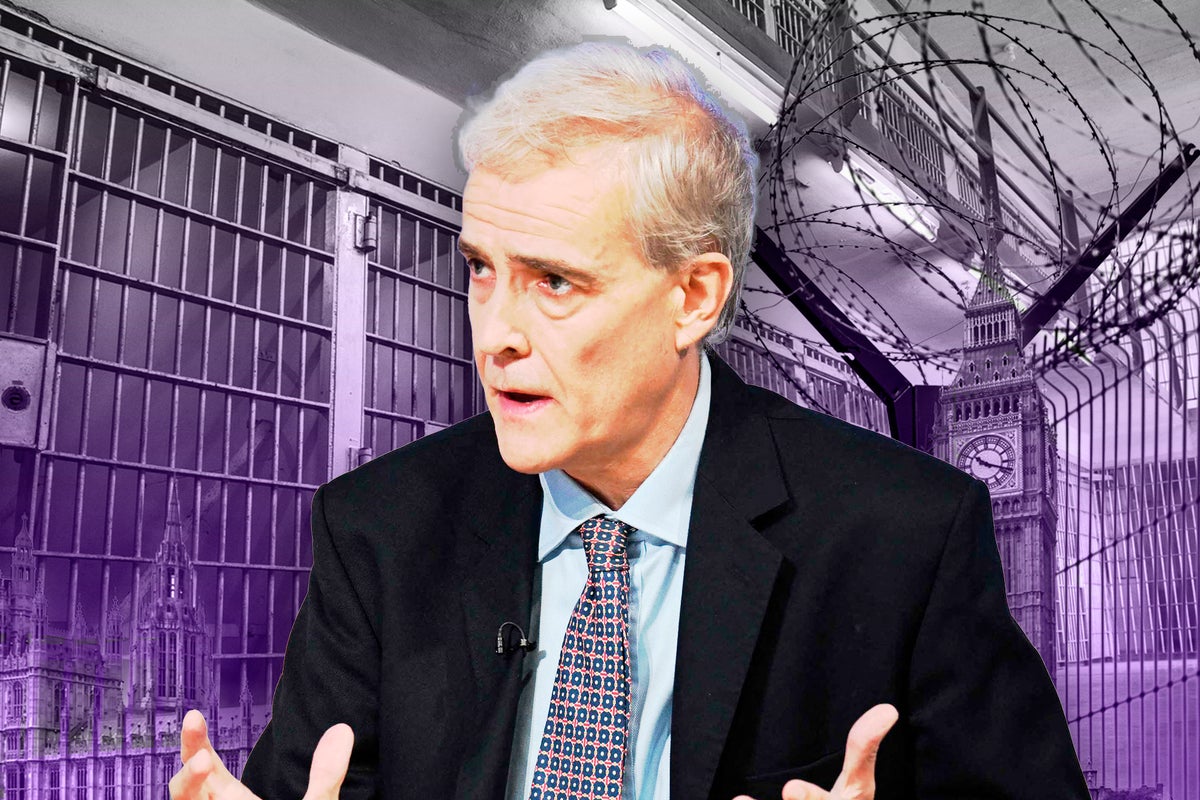
Britain’s overcrowded correctional facilities are facing profound systemic challenges, with inmates frequently spending long hours confined to cells while contraband enters through increasingly sophisticated means. Observers note that the current environment often fails to foster meaningful reform, leaving many individuals unequipped for reintegration into society upon release.
The Reality Behind Bars
Recent assessments highlight a troubling dynamic within the custodial system. Rather than engaging in constructive activities, a significant portion of the population spends extended periods inactive, relying on substances to pass the time. Drug use has become widespread, driven in part by boredom and the availability of contraband.
At the same time, criminal networks have adapted their methods for smuggling prohibited items. The use of unmanned aerial vehicles to deliver substantial quantities of narcotics directly into facility yards has grown significantly, outpacing current countermeasures. This illicit trade creates a captive market, generating substantial profits for organized groups while undermining internal security.
The Absence of Reform
Critics emphasize that the primary objective of custody—preparing individuals to lead law-abiding lives—is frequently sidelined by operational pressures. With staff shortages and high populations, comprehensive education, vocational training, and mental health support are difficult to maintain. Without these interventions, many individuals cycle repeatedly through the system, returning to the community with the same underlying challenges that led to their initial incarceration.
Public discourse around the issue often reflects deep divisions. Many express frustration over perceived leniency and the conditions inside, arguing that resources should prioritize law-abiding citizens facing economic hardship. As one observer remarked:
The public would rightly assume that people in prison are working hard, coming off drugs, learning how to behave properly, you know, getting into good habits of getting up in the morning, going to work, those sorts of things. But unfortunately, in many prisons, that just doesn’t happen.
Others point out that without substantive programs to address addiction and mental health, the cycle of reoffending remains unbroken. The debate often centers on whether the system should focus strictly on retribution or incorporate robust rehabilitation models similar to those found in other European nations, which emphasize normalization and skill-building.
Looking Ahead
Addressing the crisis requires more than building additional capacity. Experts caution that without adequate staffing and a renewed focus on rehabilitation, new facilities will quickly face the same pressures. Achieving long-term stability and reducing crime rates will necessitate a comprehensive evaluation of how institutions function, how support services are delivered, and how individuals are prepared for life after release.

