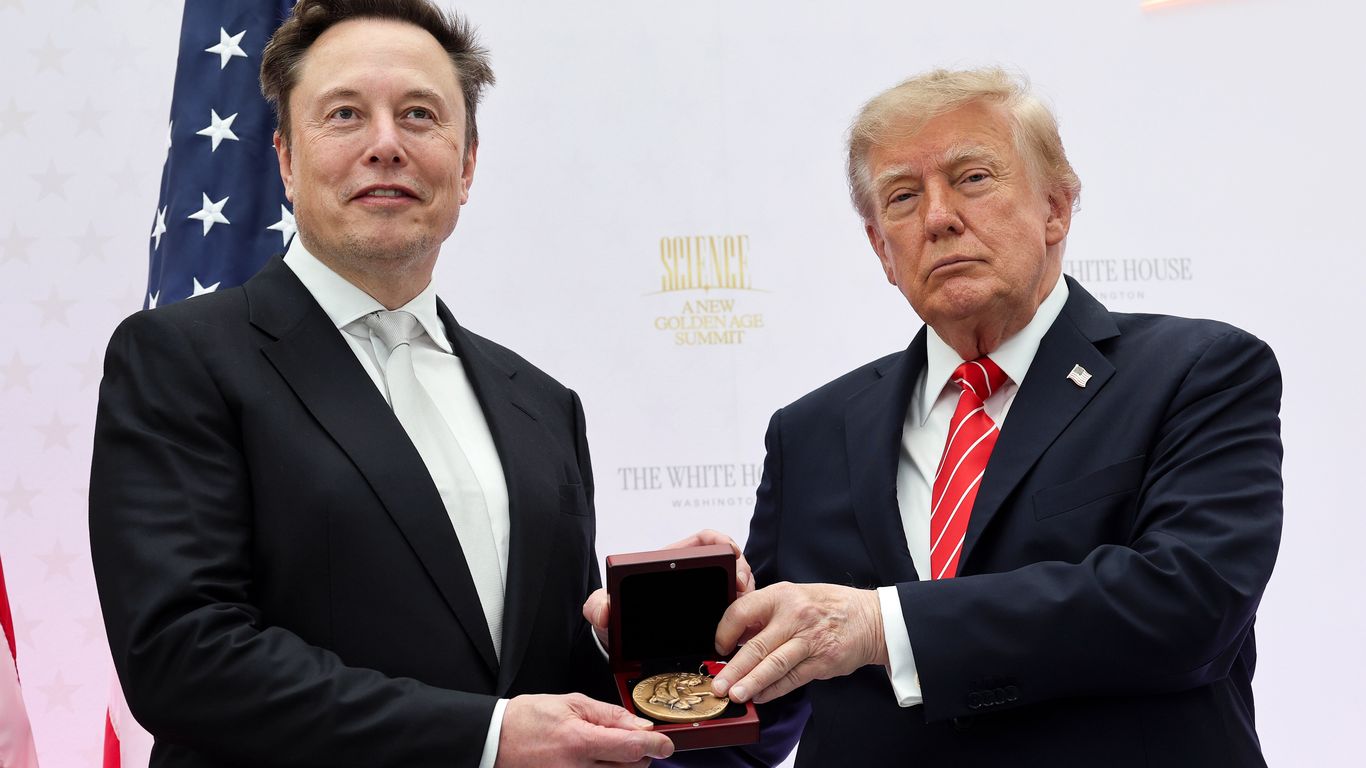
Presidential pardons have long served as one of the most absolute, uncheckable powers granted by the United States Constitution. Yet as discussions turn toward protective measures for key allies and staff, the potential for pre-emptive executive clemency has sparked a fierce national debate about accountability, executive overreach, and the true limits of presidential authority.
At the center of the recent discourse is the suggestion that high-profile figures, including billionaire entrepreneur Elon Musk, could be shielded from potential political or congressional inquiries through proactive pardoning. The prospect of granting immunity before formal charges—or even indictments—are brought has raised immediate legal and constitutional questions.
The Historical and Legal Reality of Executive Clemency
While the concept of a pre-emptive pardon sounds unprecedented to many, executive history tells a more complex story. The power granted under Article II, Section 2 of the U.S. Constitution gives the chief executive the broad ability to grant reprieves and pardons for offenses against the United States,```json
{

