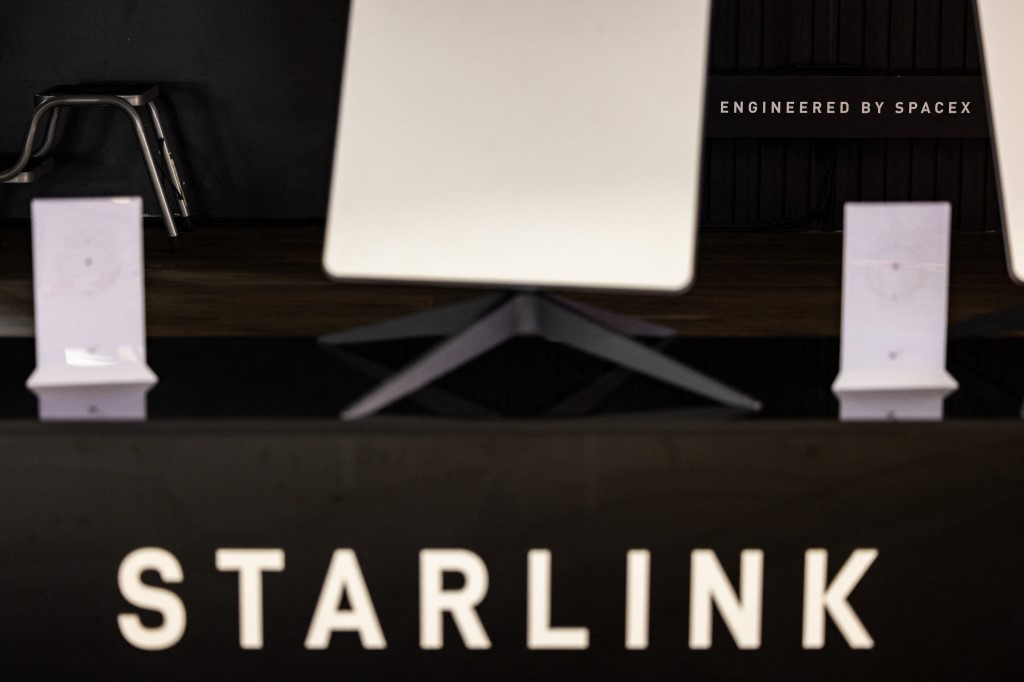
Elon Musk declared on October 14 that the US military, not SpaceX, controls the speed limits of Ukraine’s Starshield terminals, a move that has severely impacted Kyiv’s drone operations against Russian forces. This restriction, imposed overnight on October 13-14, has particularly affected interceptor drones, a key defense against Russian Shahed drones. The outage has sparked accusations from Ukrainian President Volodymyr Zelensky, who claims Russia is exploiting the situation, and has left him feeling betrayed by the Trump administration.
A Critical Tool Compromised
Ukraine’s interceptor drones rely heavily on Starlink’s connectivity, which has been restricted to speeds of up to 160 kilometers per hour (100 miles per hour). Former Ukrainian Defense Minister Mykhailo Fedorov emphasized the urgency of removing these limits entirely for Ukraine’s defense. The restrictions come at a time when Russia has intensified its drone attacks, with Zelensky reporting 124 drones launched overnight and 145 during the day, alongside a massive strike that cut power to 600,000 people.
Global Backlash and Trust Erosion
The decision has triggered widespread condemnation, with many viewing it as a betrayal of Ukraine. One commentator remarked, 'The US are a bunch of traitors,' while another added, 'We did betray Ukraine and for what? So Putin can die with some sort of ghetto legacy???’ The sentiment extends beyond Ukraine, with concerns raised about the reliability of the US as an ally. A NATO country resident stated, 'Anyone sane shouldn't trust the USA. In their eyes they don't have allies, they have subservient countries to be discarded when needed.'
Strategic Implications and Responses
The incident has highlighted the risks of relying on foreign technology for national defense. As one observer noted, 'Relying on a foreign nation for a nation’s own defense is always a horrible strategic mistake.' In response, there are growing calls for Europe to develop sovereign solutions, with some suggesting the nationalization of Starlink facilities and the acceleration of alternative satellite systems. France’s independent military ecosystem, including its nuclear capabilities, has been cited as a strategic model.
Political and Diplomatic Fallout
The restrictions coincide with strained US-Ukraine relations, including lapses in intelligence sharing and reports of Washington threatening to cut support if Ukraine continues striking Russian oil refineries. Trump’s recent diesel deal with Putin and his criticism of Zelensky have further exacerbated tensions. The US Ambassador to NATO denied claims of reduced intelligence sharing, but the damage to trust appears profound. As one commentator put it, 'It will take decades to restore trust, if ever.'
Looking Ahead
While the UK has pledged additional military aid, including £45 million in surface-to-air missiles, the immediate focus is on restoring Starshield functionality. Zelensky’s visit to London, where he received a military ceremonial guard, underscores the urgency of international support. However, the incident has left many questioning the future of US-led alliances and the need for greater self-reliance in defense technology.

